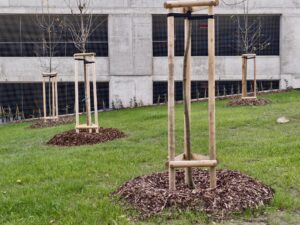
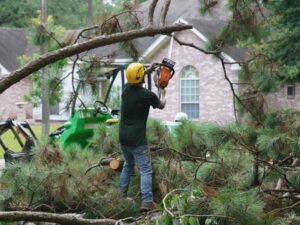
Young trees are one of the most valuable landscape investments for neighborhoods, HOA communities, parks, and residential properties. They improve curb appeal, create cleaner streetscapes, and provide shade as they mature. However, without regular maintenance during their early years, young trees can develop weak structure, uneven growth, and long term safety concerns.
Proper trimming during the developmental stage helps trees grow straighter, stronger, and healthier. Early care is one of the smartest ways to protect both the tree and the property around it.
Strong Structure Starts Early
When trees are young, branches grow rapidly and sometimes unpredictably. Some limbs cross each other, while others grow too low or form weak angles.
Routine trimming helps correct:
- Uneven canopy growth
- Crossing branches
- Low hanging limbs
- Competing trunks
- Poor branch spacing
These small corrections early in life can prevent major structural issues later.
Improve Safety Around Homes and Streets
Many young trees are planted near sidewalks, driveways, streets, and homes. Without maintenance, branches may interfere with visibility, walking areas, or roofs as the tree grows.
Regular trimming helps maintain safe clearance and keeps the surrounding area cleaner and more functional.
Better Appearance for Communities
Well maintained trees instantly improve how a property looks. Balanced canopies and healthy growth create a premium appearance that reflects pride of ownership.
This is especially important for:
- HOA communities
- Residential entrances
- Shared green areas
- Managed commercial properties
Reduce Future Costs
Correcting a mature tree with structural problems can be expensive. Preventive trimming while a tree is young is usually faster, simpler, and more affordable.
Final Thought
Young trees only have one opportunity to develop correctly. Routine trimming helps them become strong, attractive, and valuable trees for many years to come.